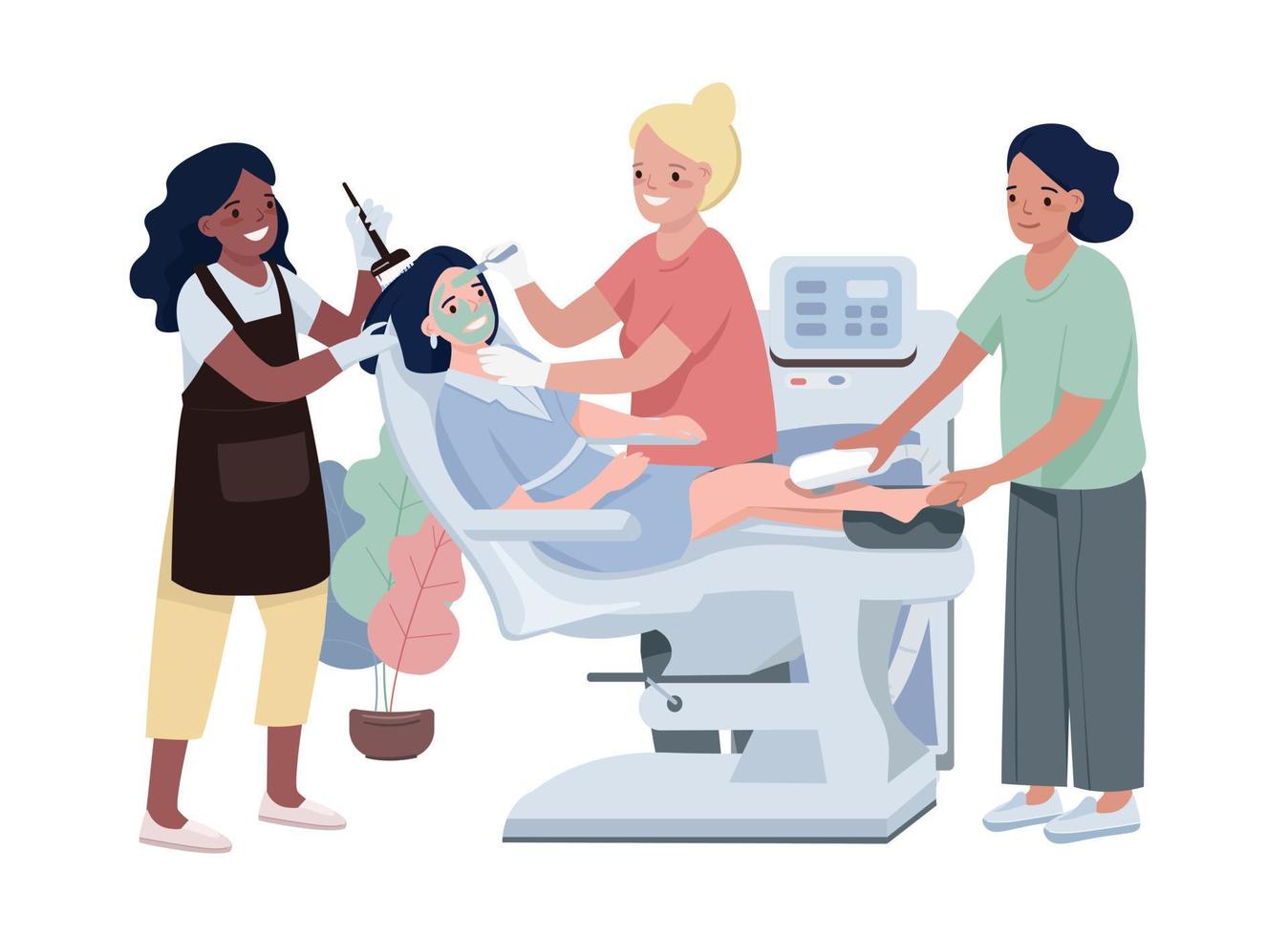
A study of the benefits of facial laser therapy
Trying to find a laser facial clinic near you? You are in the right place; there is no need to look elsewhere. This essay will cover the field of laser facial treatments, covering the techniques and the many benefits they provide. Read on to learn more, whether you’re a seasoned traveler or hoping to expand your knowledge.
A study of facial laser treatment
The photofacial is one of the most common laser facial procedures that has become extremely popular in recent years. This latest technique is essential for skin rejuvenation and greatly improves the overall appearance of the face.
To treat issues such as redness, broken facial capillaries and abnormal pigmentation, photofacials are very helpful (as seen in rosacea). These treatments help improve the overall texture and glow of your skin by promoting the creation of new collagen.
How to understand the application of photoface
To deliver their impressive results, photofacial treatments primarily use an intense pulsed light (IPL) laser system. Here are some important things to think about if you want to photograph a face:
1. Best for sun damage. The treatment of choice for vascular problems, redness and sun damage is often a photofacial. However, fractional resurfacing lasers may be a better option if you have severely wrinkled or sagging skin.
2. It may last more than one session. No matter what type of photofacial you choose, it’s important to realize that multiple sessions are often necessary. Depending on the severity of your skin problems and the results you want, the number of treatments can vary, but you can usually count on 3 to 5 sessions with about a month between appointments.
3. Flexibility in relation to a number of conditions. The face is not the only area that can be treated with a facial photofacial. In addition, they can effectively treat sun damage to the neck, chest and hands. So remember that laser facial therapy has benefits that go beyond the facial.
4. Minimal downtime. The fact that photofacials often involve little downtime is one of their many advantages. The redness of the face may last less than 12 hours, and in rare cases it may last the next day. Any redness that occurs after treatment can be hidden with cosmetics. It’s important to remember that any noticeable dark areas may itch for a few days after surgery before eventually disappearing.
5. Treatment of pain. Although you may feel a tingling sensation throughout the procedure, the photofacial treatment is mostly painless. To ensure your comfort, most doctors give you an effective numbing medicine 20 minutes before surgery.
6. Possible Side Effects Photofacials can have negative side effects, just like any laser procedure. Redness, hyperpigmentation (darkening of the skin in specific areas) and hypopigmentation (lightening of the skin in specific areas) are the most common. It is important to emphasize that when the technology is not used by a qualified professional, these adverse effects are more likely to occur. A few states even allow non-professionals to use laser technology under the direction of a physician.
7. Taking into account the skin tone of ethnic origin. For photofacials, especially IPLs, ethnic skin types such as Asian, African, Indian, or Hispanic may have more pronounced adverse effects. If you fit this description, it’s important to be careful and make sure your doctor has experience with ethnic skin. Darker skin tones may require different power settings and penetration depths for safe and effective treatment.
In conclusionlaser facial procedures, especially photofacial procedures, have a number of advantages for people with various skin problems. A photofacial treatment can be an effective tool for creating healthier, brighter skin, whether your goal is to combat sun damage, redness, or vascular problems. To ensure maximum results and reduce potential side effects, it is important to speak with a skilled and experienced provider.